THIS WEEK IN FM
AI's Dirty Secret: It Needs a Ton of HVAC Techs
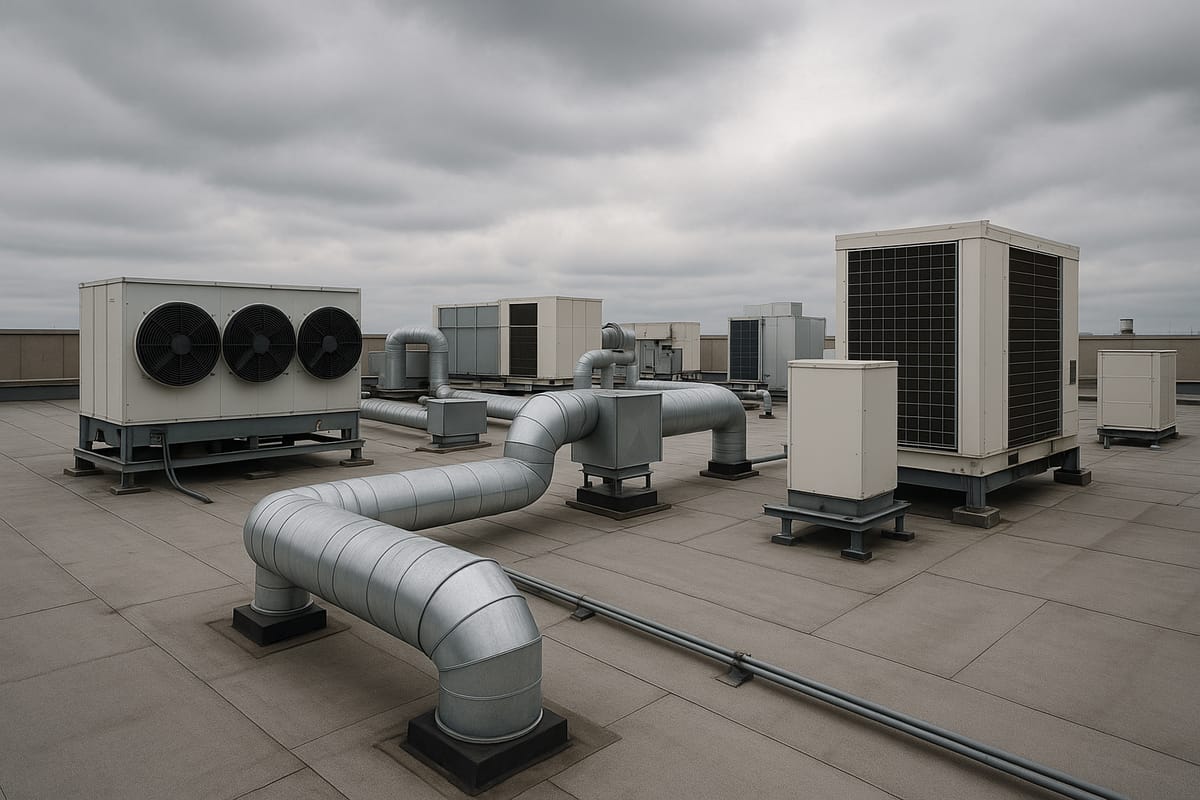
All those data centers humming away to power AI workloads require serious mechanical infrastructure — and there aren't enough trained hands to build or maintain it. Randstad's latest report flags a growing skilled labor shortage in HVAC and related trades, driven directly by the infrastructure buildout behind AI. If you've been trying to fill open tech positions and wondering why the pool feels shallow, this is part of the reason. The recommendation to use "flexible hiring policies" is HR consulting speak for: get creative or get in line.
Seven HVAC Manufacturers Just Got Sued for Price-Fixing
Bosch, Carrier, Trane, Daikin, Lennox, Rheem, and AAON are named in a class action lawsuit alleging they coordinated to inflate equipment prices starting in 2020. That's essentially the entire market. If you've been staring at equipment quotes since the pandemic wondering how prices jumped 40% and never came back down, this lawsuit is at least asking the same question out loud. No wrongdoing has been proven in court, but the timing and the breadth of names on that complaint are hard to ignore.
Battery Storage Is Finally Worth a Serious Look
Battery energy storage systems have been "almost practical" for years. They're crossing into actually practical now — grid reliability is worse in more markets, demand charges keep climbing, and the installed cost per kWh has dropped enough that the math works for facilities that run critical loads or operate in high-rate utility territories. This isn't a fit for every building, but if you manage a hospital, a data center, a cold storage facility, or anything with a generator you test monthly and pray never runs — BESS deserves a line item in your next capital planning conversation.
Read: https://facilityexecutive.com/battery-energy-storage-systems-are-transforming-facility-resilience/
---
THE FIX
The HVAC labor shortage isn't going to ease up soon, which means your PM program is either protecting you or quietly setting you up for a very bad quarter. The facilities teams that get hurt worst in a tight labor market are the ones that defer preventive maintenance until something fails — then they're competing for emergency service at emergency rates. Pull your PM completion rate for the last 90 days. If it's below 85%, that's your real exposure. A well-documented PM history also gives you leverage when negotiating service contracts, because you can show a vendor exactly what's been done and when — instead of handing them a building they can charge you to rediscover.
---
TOOL SPOTLIGHT
MaintainX
MaintainX does work orders, SOPs, and maintenance logs in one place, and the free tier is genuinely functional — not a 14-day trial with a credit card hold. It's built for teams still running on clipboards or a shared spreadsheet that one person owns and everyone else fears. Where it earns its keep is in audit trails: when someone asks if the fire suppression inspection got done, you have an answer in ten seconds instead of thirty minutes. It won't replace a full CMMS for a complex multi-site operation, but for a single facility trying to get organized, it's a solid starting point.
Check it out → https://getmaintainx.com
---
THE NUMBER
30%
The average percentage of a facilities manager's shift spent on administrative tasks instead of operations.
That's roughly 12 hours a week spent on paperwork, emails, and documentation instead of actually running the building. Multiply that across your team and you'll understand why deferred maintenance keeps compounding even when people are working hard.
---
Have a good week. Stay ahead of the queue.
— Russell Brooks
abovegrade.fm | Unsubscribe